Using in-field testing to test wheat enables farmers and growers to improve their quality control and ensure maximum returns for their crops.
Read More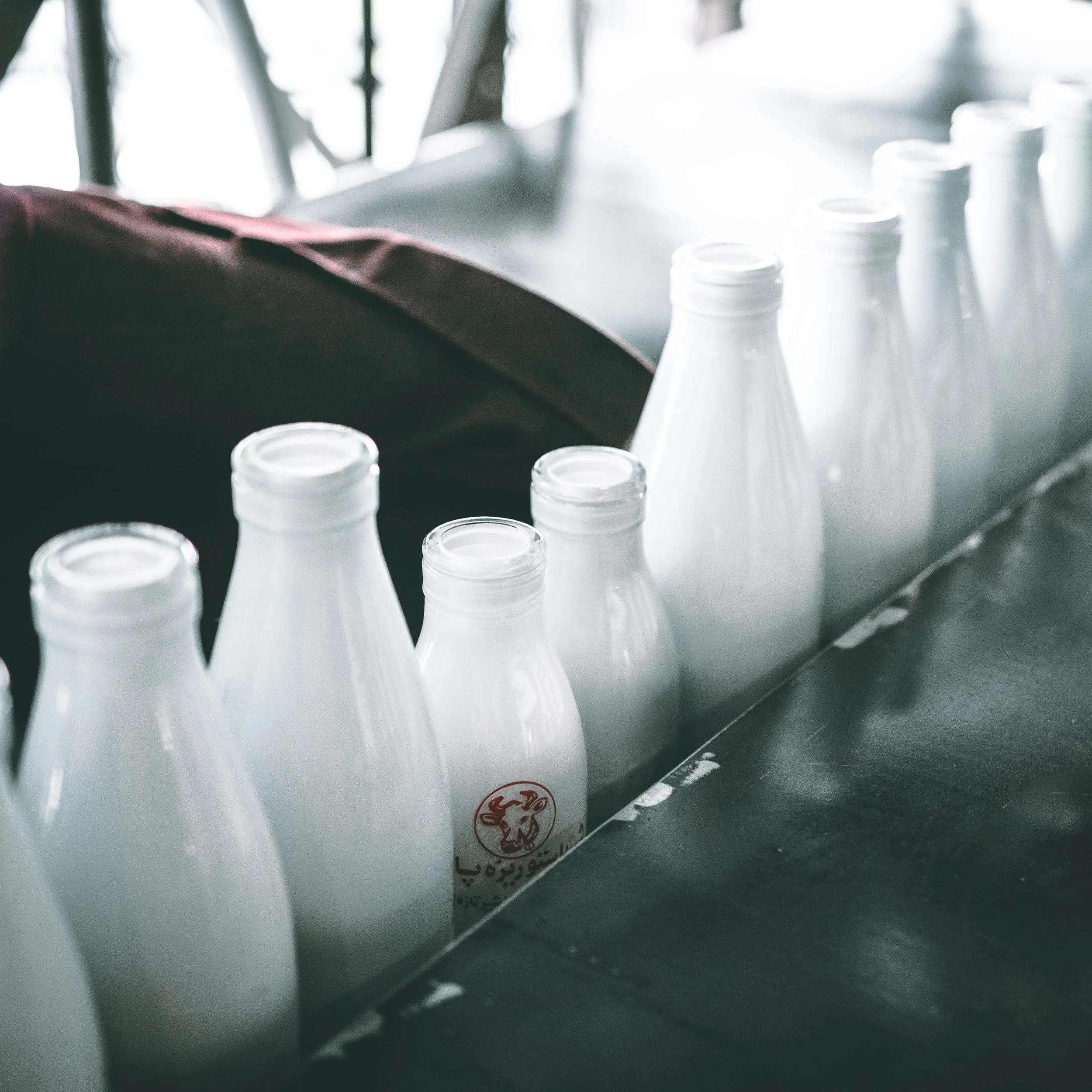
Shelf life is a vital measure of food quality and freshness. It is the length of time that a product meets the quality expectations of consumers.
Read MoreMeat testing is vital for ensuring the quality and safety of meat products. Producers must also comply with food safety regulations for meat. The Food Standards Agency publishes a meat industry guide for this purpose.
Read MoreATP stands for adenosine triphosphate which is an indicator molecule. This means that ATP can show you where biological residues are present.
Read MoreTesting dairy products for bacteria is essential for the quality and safety of end products in the dairy industry.
Read MoreTesting grain for quality is central to commercial grain production and there are opportunities to analyse and measure grain against various parameters at different stages of the production process.
Read MoreFoods can contain naturally occurring toxins, known as mycotoxins. They can be harmful to both humans and animals, and therefore it’s important to test for them.
Read MoreIf your equipment is 15 years or older, there may be some spare parts available, but we cannot guarantee availability as once current stock runs out they cannot be replaced.
Read MoreThe moisture content in food influences how it looks and how it tastes. Different food materials, including grains, have different moisture content standards they need to meet.
Read MoreThe Perten DA 7350 is the third generation of its in-line NIR instruments. The obvious question is, how does the DA 7350 compare to the DA 7300?
Read More